
The Science of Calm: What Happens in the Brain When You Relax
We all know that feeling of shoulders dropping, breath slowing, and the world suddenly feeling a little less heavy. But what’s actually going on inside your brain and body when you relax?
From a quick five-minute meditation to a calming scent drifting through the room, relaxation techniques don’t just feel good, they create real, measurable changes in how your body responds to stress. Let’s take a closer look at the science behind the calm.

What Is the Stress Response, and Why Do We Need It?
To understand relaxation, we need to understand its opposite: stress. When your brain perceives a threat, whether it’s a looming deadline or a loud noise, it activates your sympathetic nervous system, also known as the “fight or flight” response. This causes a release of hormones like cortisol and adrenaline, which increase your heart rate, tense your muscles and sharpen your focus.
It’s a brilliant system for short bursts of danger. But in modern life, it can be triggered by everyday stressors: emails, traffic, even scrolling your phone late at night. When stress becomes chronic, it can lead to problems with sleep, digestion, mood, and overall wellbeing.
That’s where relaxation comes in.

How Relaxation Changes Your Brain Chemistry
Relaxation techniques activate a different part of your nervous system, the parasympathetic nervous system. Often called the “rest and digest” response, it’s your body’s way of hitting the brakes.
When you enter a relaxed state, several key things begin to happen:
– Cortisol levels drop – Lower cortisol helps reduce inflammation, ease anxiety, and improve focus and mood.
– Heart rate slows – Your cardiovascular system relaxes, which can help reduce blood pressure over time.
– Breathing deepens – Slower breathing increases oxygen to the brain and encourages a calm mental state.
– Muscles loosen – That tension in your shoulders, jaw, or back? It begins to melt away.
– Serotonin and dopamine rise – These feel-good neurotransmitters help regulate mood, promote happiness, and even support better sleep.
In short, your brain tells your body it’s safe, and your body responds with calm.

The Role of Scent in Relaxation
Scent is one of the most direct ways to influence your emotional state. That’s because the olfactory system (your sense of smell) is directly linked to the limbic system, the part of your brain that handles emotion and memory.
Smelling something calming – like lavender, rose or eucalyptus – can quickly trigger a soothing response. It’s not just about the scent itself, but what it signals to your brain: comfort, safety, familiarity.
Research has shown that certain scents can lower heart rate, reduce cortisol, and improve mood in measurable ways. While scent alone isn’t a magic fix, it’s a powerful ally in helping your brain shift into a more relaxed state.

Simple Ways to Activate Calm
You don’t need a retreat or an hour-long yoga session to benefit from relaxation. These simple techniques can help activate your parasympathetic nervous system in minutes:
– Deep breathing – Try inhaling for four counts, holding for four, and exhaling for six.
– Progressive muscle relaxation – Tense each muscle group for five seconds, then release.
– Mindful movement – Slow walks, gentle stretching or tai chi all work wonders.
– Meditation or visualisation – Focus on your breath or imagine a peaceful place.
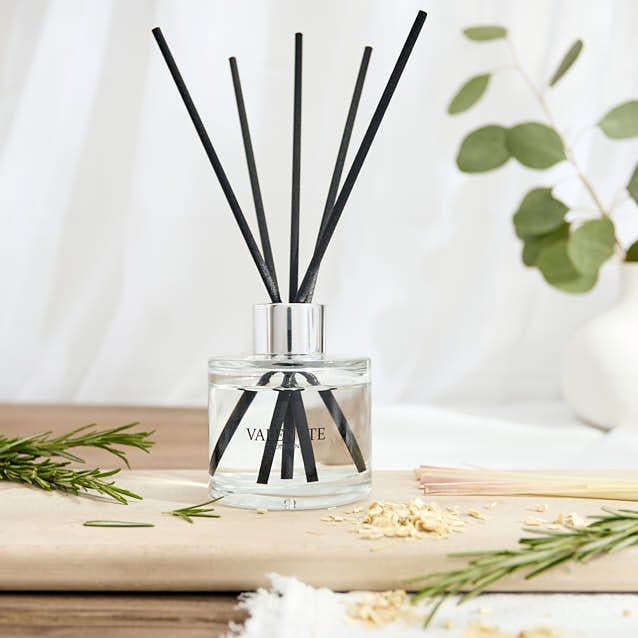
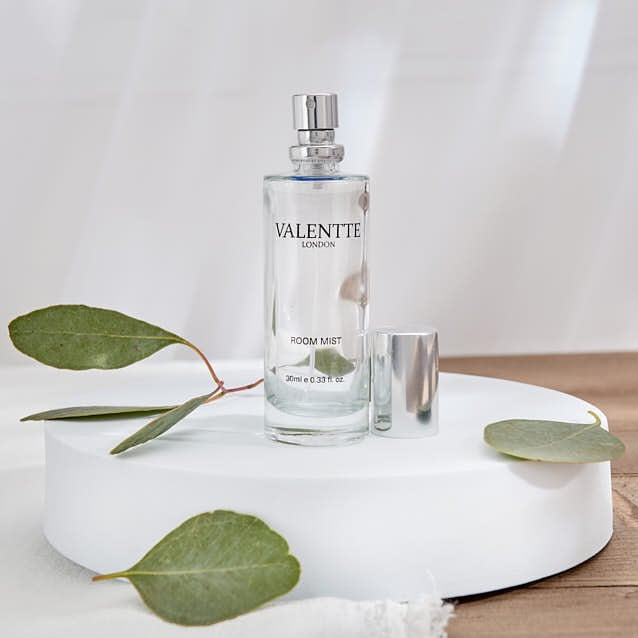
– Aromatherapy – Add a calming scent to your environment to support mental ease.
– Soothing sounds – Soft music, nature noises or guided meditations can ease mental tension. It’s not about doing everything.
It’s about finding what helps you feel grounded and returning to it regularly.

A Moment of Calm Can Change Everything
In a fast-paced world, relaxation isn’t a luxury, it’s essential. Giving your body and brain permission to pause can improve your mood, boost focus, and even support long-term health.
And the beauty of calm? It’s always available to you. In your breath. In your environment. In the small, steady rituals that bring you back to yourself.
So next time stress creeps in, try giving your brain a different message. One that says you’re safe, you’re supported, you can slow down now.